Clutter Hotspots and How to Tackle Them
Have you ever visited someone’s home and been impressed by how immaculate it looked? That clean, sleek look often comes down to a few simple rules — and the good news is, they’re not difficult to follow. A tidy, calming space isn’t reserved for a select few. Anyone can achieve it with the right mindset and some practical habits.
Clutter isn’t inevitable. It builds up when we stop paying attention, but we can regain control. By identifying and addressing the most common clutter hotspots, it’s possible to turn things around. Let's take a closer look.
Junk Drawer
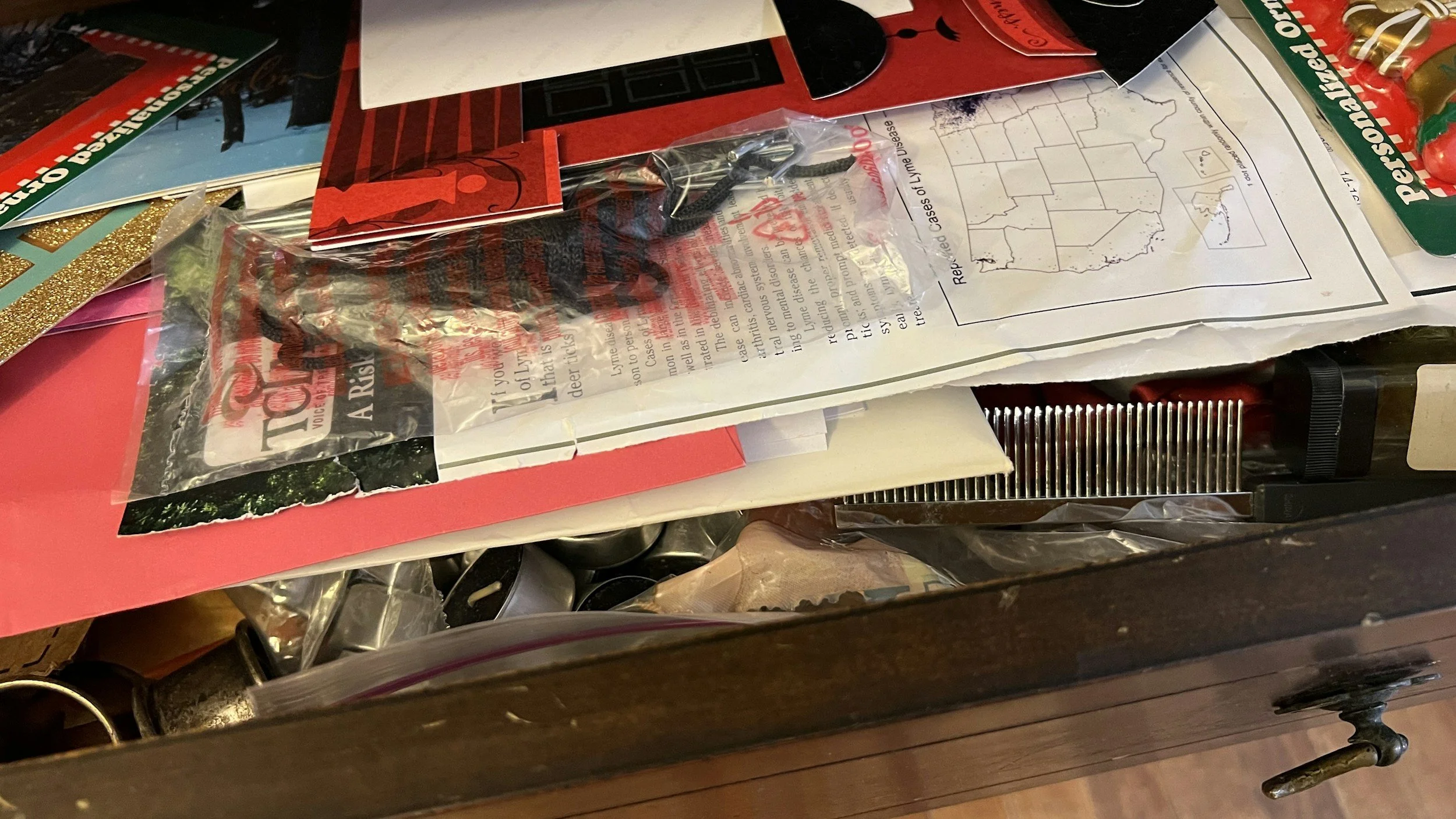
We all have at least one of those, usually in the kitchen. Sometimes, however, they multiply and can be found in a study or hallway. Having a hidden spot for junk gives us an excuse to avoid dealing with items. We can just stuff them into one of those catch-all drawers and forget about them. Try rethinking the purpose of the junk drawer — maybe even change its name. If we think of it as a butler or utility drawer, filling it with broken small appliances or some sauces you get with the takeout suddenly makes less sense.
To-Do Boxes
There is always a box or bag in each of my clients’ homes that is full of items that should be marked as tasks on their to-do lists. If you have such a bag, either contact a repayment service, take the clothes to a donation center, or accept that you’re not someone who does this. If you have a pile of items that need to be dealt with, but you don’t have a date on your calendar or time allocated for those tasks, then it’s a wish list, not a plan.
Pro tip: Set aside a day every three or six months to run errands, such as fixing small appliances or taking clothes to the tailor. When the day comes, don’t cancel.
I also recommend planning a reward activity afterwards. It can be anything: checking out that café you've passed by too many times, having a movie night with a friend, or catching some sun in the park by yourself. You know what your soul is craving. Afterwards, check in with yourself. Did you enjoy fixing things and crossing them off your list? Or would you have rather given up on the item three months ago? There is no wrong answer. Both options are perfectly acceptable, as long as you're honest with yourself.
Read Also: 11 Decluttering Mistakes to Avoid
Flat Surfaces
Every home has places where clutter accumulates. These are usually flat surfaces, such as the kitchen table, a bedroom chair, kitchen and bathroom counters, and entryway shelves. We can’t help it. We all leave things lying around while running off to take care of our daily tasks. To combat this habit, we need a combination of organized drop zones and tidying routines. Ten minutes in the evening spent picking up by the whole family can transform your living space and help you deal with clutter. However, you need everyone on board because it can't be a solo task.
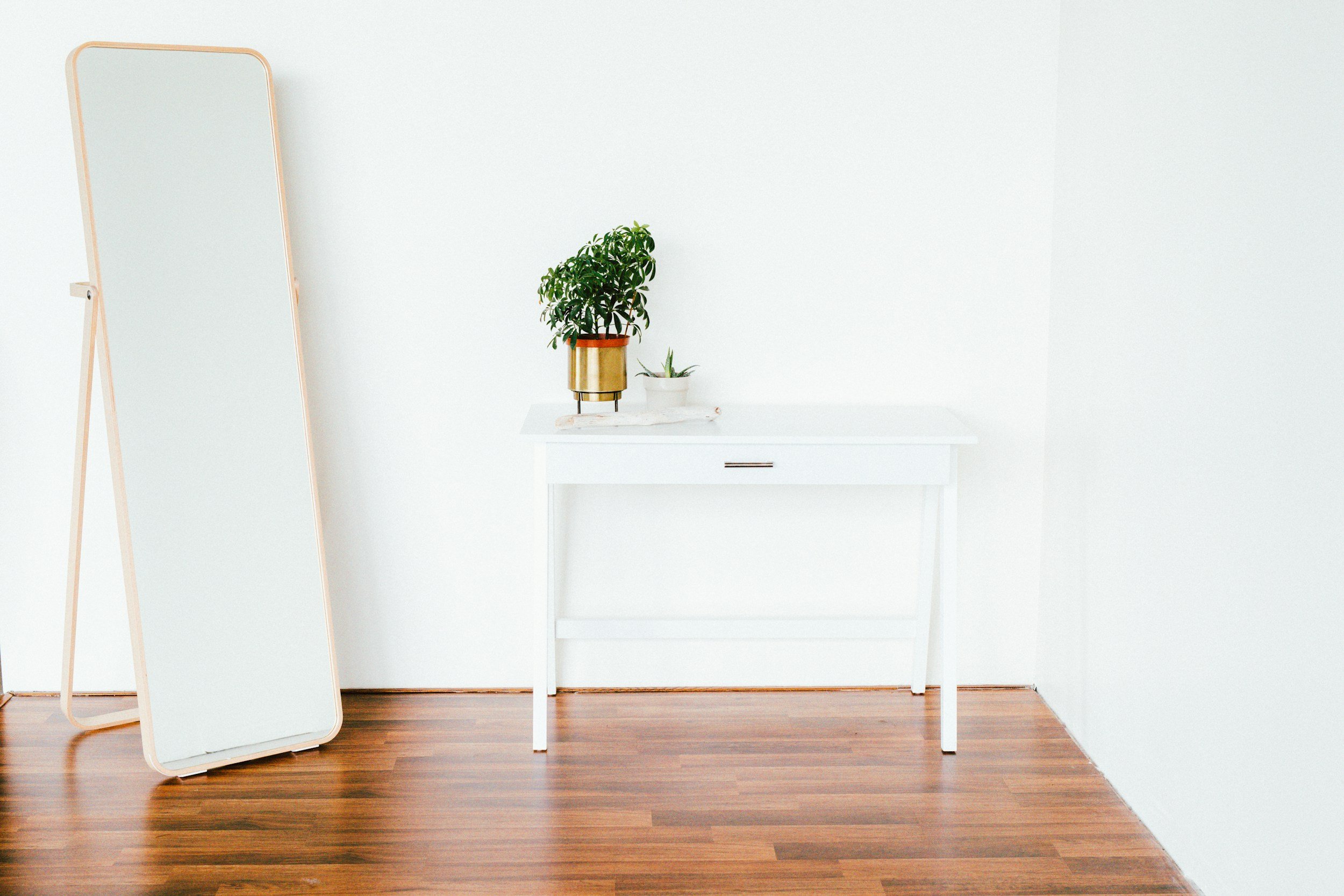
Pro tip: Take a picture of the room and look at it critically. What doesn’t belong there?
This step alone will allow you to see your space from a different perspective and notice the clutter. If you want a second opinion, share the picture with a trusted friend.
Open Shelving
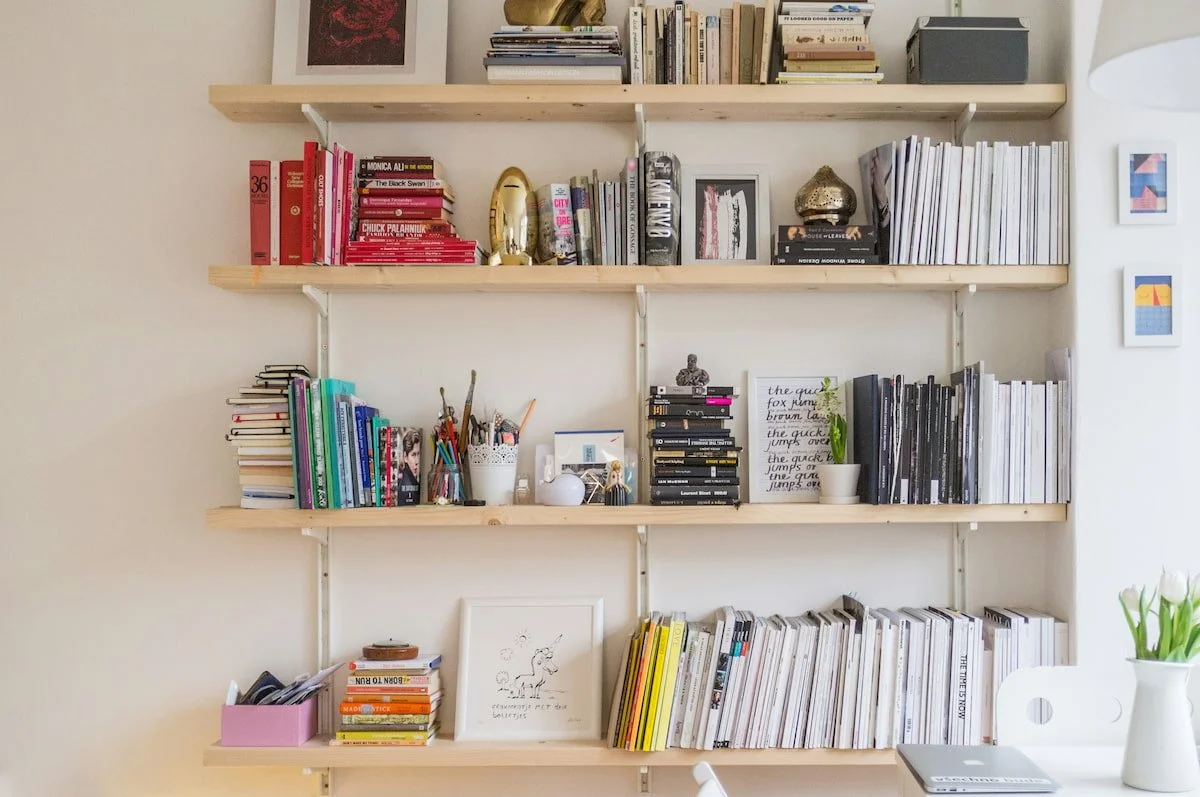
It’s almost impossible to keep open shelves looking neat all the time. Even if you’re good at staying organized, it’s hard to find the time to dust them regularly if they’re the main storage solution in an apartment. Many Berlin apartments rely on open shelves. I don’t recommend that people opt for them. If possible, get cabinets that can be closed.
This goes for kids’ rooms, too. Although open cubbies are extremely popular, it’s better to get additional fitted boxes to transform the ubiquitous KALLAX unit into a more functional storage solution.
4 Sneaky Sources of Clutter
Subscription Boxes and Branded Swag
Most of us have clutter in our lives that arrived in a bundle. If you’ve ever received a subscription box, then you know that half of its contents are things you don’t need and would never buy. You’re then left with all those useless products and must decide whether to leave them in the "zu verschenken" box outside, find a home for them in a friend's group chat, or throw them away.
It can be even worse with swag bags from conferences. The branding on some of those notebooks and pens is so prominent that you’d never want to use them in daily life. Also, how many notebooks does one person need? If you can opt out of taking a bunch of stuff and packaging home, do it. Eliminate potential clutter before it enters your home.

Avalanche of Paperwork
In Germany, the paperwork never stops. If you don’t want to accumulate paper clutter, you need to develop a system for processing your mail. Some people prefer to do this once a week, but I recommend dealing with all the letters immediately.
If it’s a bill, pay it on the spot. If it’s something that needs to be recycled, throw it in the appropriate bin.
Read Also: Decluttering 1.01: Tips for Decision-Making
Shopping Before Decluttering
Trying to organize a mess will never work. Declutter first.
Yes, it’s boring advice. No one wants to spend time decluttering; we all want to go straight to shopping for pretty, neat containers that promise to bring order to our cabinets and cupboards. However, if your shelves are overflowing, you need to pare down before transferring anything into dedicated containers.
Organized shelves include empty space. If something falls out when you open a cabinet, or if it takes you 5–10 minutes to find what you're looking for, you need to start with decluttering. Organizing will come later.
Emotional Shopping
We accumulate a lot of clutter because we shop excessively. Most of the things we own were brought into our homes by us, and we bought them because we wanted and could afford them. The flood of boxes and packages we invite into our homes becomes yet another thing to take care of.
Ask yourself if you really need an item or if you just want it. This will save you money and the headache of figuring out where to put the item and what to do with it when it breaks.
Buying less and choosing durable items will help you love your space more. This approach will bring you more lasting positive emotions than the serotonin rush from a midnight shopping spree on Temu.
Pro tip: If something you want costs more than 100 euros, put it in your basket and wait 24 hours. You might change your mind.
I encourage my clients to view decluttering as a source of contentment and fulfillment. That's why we can’t begin the process with negative thoughts.
Some people don’t enjoy decluttering because they don’t want to face every negative shopping decision they've ever made. However, the money has already been spent, and the items are already in your apartment. There’s no reason to beat yourself up about anything that has already happened; it's counterproductive.
Instead, I advise thinking about the future.

Wouldn't it be fun to teach your kids to bake in an organized, clutter-free kitchen?
Imagine how great it will be to never spend ten minutes looking for your keys, glasses, scissors, or any kind of remote control again.
And wouldn't it be nice to get dressed quickly without feeling like you have nothing to wear, despite having no space in your wardrobe?
Decluttering helps with all those problems, and keeping that in mind will help you stay motivated. It’s not about perfection — it's about creating a space that supports your life instead of adding to your stress. Whether it’s a junk drawer that needs a revamp or a mountain of paperwork on the coffee table, consistent actions can lead to big changes. Ready to Get Started?
If you’re feeling overwhelmed or simply want a bit of support, you don’t have to do it alone. Book a session with me and let’s bring clarity, calm, and function back into your home. Your future self will thank you.